North U - Performance Race week wrap-up
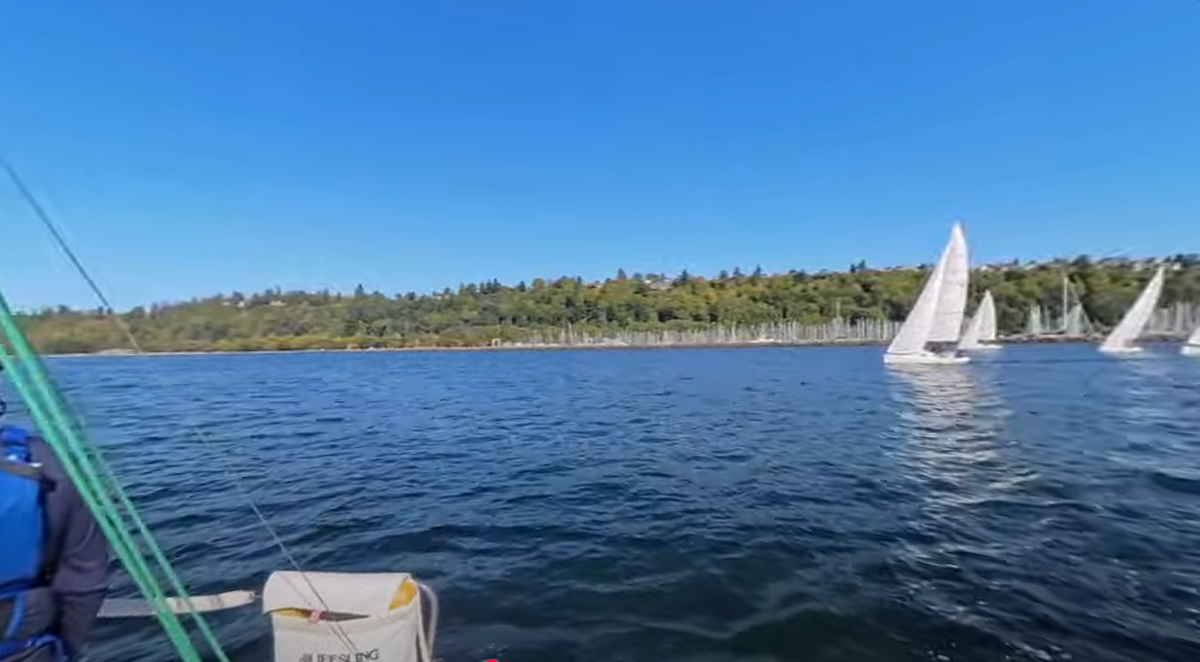
Big Themes
- Starts & Positioning
- Starts are about on time, on the line, at full speed, with clear air.
- The “Swirl” technique (sailing down the line on starboard, gybing at the pin, coming back on port, then tacking again) helps crews work backward from their desired start sector and time it right.
- Avoid overlaps during the swirl — they limit your options. Break them early so you control your lane.
- Work back plans matter: evaluate conditions, agree on tuning (halyard, cars, backstay, etc.), and document with notes/photos before the start so the crew is aligned.
- Boat Speed Fundamentals
- Speed is the universal problem solver: it gives tactical flexibility and minimizes damage from mistakes.
- Small changes in trim or crew weight had visible impacts during tuning sessions.
- The best teams constantly check “are we fast?” before worrying about one-on-one boat-on-boat duels.
- Recovery time from tacks and gybes is measurable — and should be minimized.
- Downwind Energy – The Bubble
- Downwind is where races are won and lost — the speed differences are enormous.
- Think in terms of energy state: energized boats accelerate and hold speed; de-energized boats wallow.
- Stay “on top of the bubble,” just barely on the energizing side, to maintain target speed.
- Communication between the helm and trimmer should be brief and calm, using phrases like “up two” and “down three.”
- The helmsman in the “happy place” (balanced, squared to task, thumb on the tiller button) provides subtle pressure and control without oversteering.
- Tactics & Strategy
- Always keep the big picture in mind — don’t get sucked into winning a duel with one boat only to lose to the fleet on the favored side.
- Use the concentric circles model:
- Strategist: sees the racecourse, shifts, and big patterns.
- Tactician: manages traffic, crosses, and makes short-term decisions.
- Helmsman: executes the last 60 feet with precision.
- “Who’s going the right way?” is the core question in every cross. Encourage port boats to keep going rather than forcing a tack into your bad air.
- Crew Choreography & Roles
- Elite teams have clear, documented choreography for every maneuver: tacks, gybes, hoists, douses.
- Hoists: often done with two people (bow and mast) while the trimmer assists with the halyard.
- Choreography is what makes maneuvers fast and repeatable — and makes it easier to plug in a substitute crew.
- Ergonomics matter: square to the task, use full body power, move laterally not diagonally, and respect “traffic lanes” on the boat.
- Rules & Culture
- Racing rules are a shield, not a sword — they protect strategy and prevent collisions, not punish opponents.
- Reputation is your most valuable asset. Don’t be a pushover, but don’t be the aggressive “rules lawyer” either.
- Always avoid contact — you can protest without crashing.
- Key concepts:
- Starboard over port.
- Leeward over windward.
- Clear ahead over clear astern.
- Tacking boats must keep clear until fully on a close-hauled course.
- Practice “quiver maneuvers” like penalty turns so they’re smooth when needed.
- Know the local fleet culture — what’s tolerated in one class may not fly in another.
- Coaching Takeaways
- Terry emphasized that transformation comes from minimizing failures, not avoiding them. Mistakes are learning opportunities.
- Document what works: sail settings, reference marks, recovery times. Build your own playbook.
- Keep communication calm, concise, and consistent.
Sailing Highlights
- Beautiful Northwest conditions all week, from light and fluky mornings to steadier breezes in the afternoons.
- Orcas cruised by one day, putting on a show.
- Plenty of close boat-on-boat tuning, rabbit starts, and informal races — including a spirited race to Meadow Point where we scored a win.
- Final day regatta: three races (each with a practice start), with Mark helming one and Alex helming two (after I gave up my slot). We placed first overall.
Personal Takeaways
- I left with a deeper appreciation for how much small adjustments — in trim, timing, or choreography — compound into big gains.
- The lectures reframed how I think about energy, positioning, and rules.
- Our team dynamic felt strong, and it was rewarding to see how quickly we gelled with the coaching.
- The week confirmed that dedicated practice (especially around starts, maneuvers, and boat speed) is the surest path to improving as a team.
Day 1 – North U Performance Racing Week
Day one of the North U Performance Racing course is in the bag, and it’s already exceeding expectations. The weather was fantastic yesterday and looks to be even better today — at least temperature-wise. Not sure about the wind yet, but yesterday’s breeze was spectacular. We’re sailing J/
 Dan Weatbrook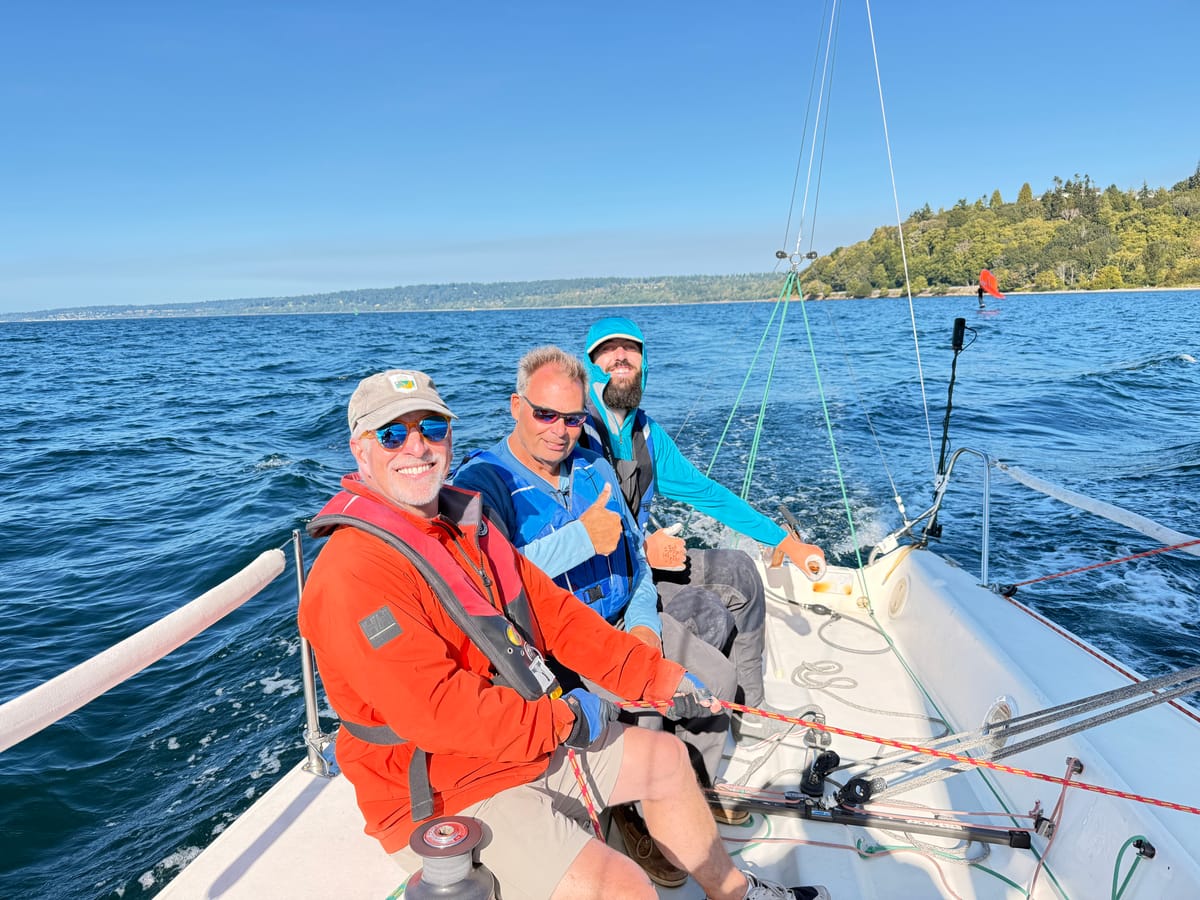
Day 2 - North U - performance racing week
Another glorious day of learning how to sail - this time for boat speed, boat to boat tuning, and rabit starts for fleet tuning. Group dinner at the club house rounded out the day.
 Dan Weatbrook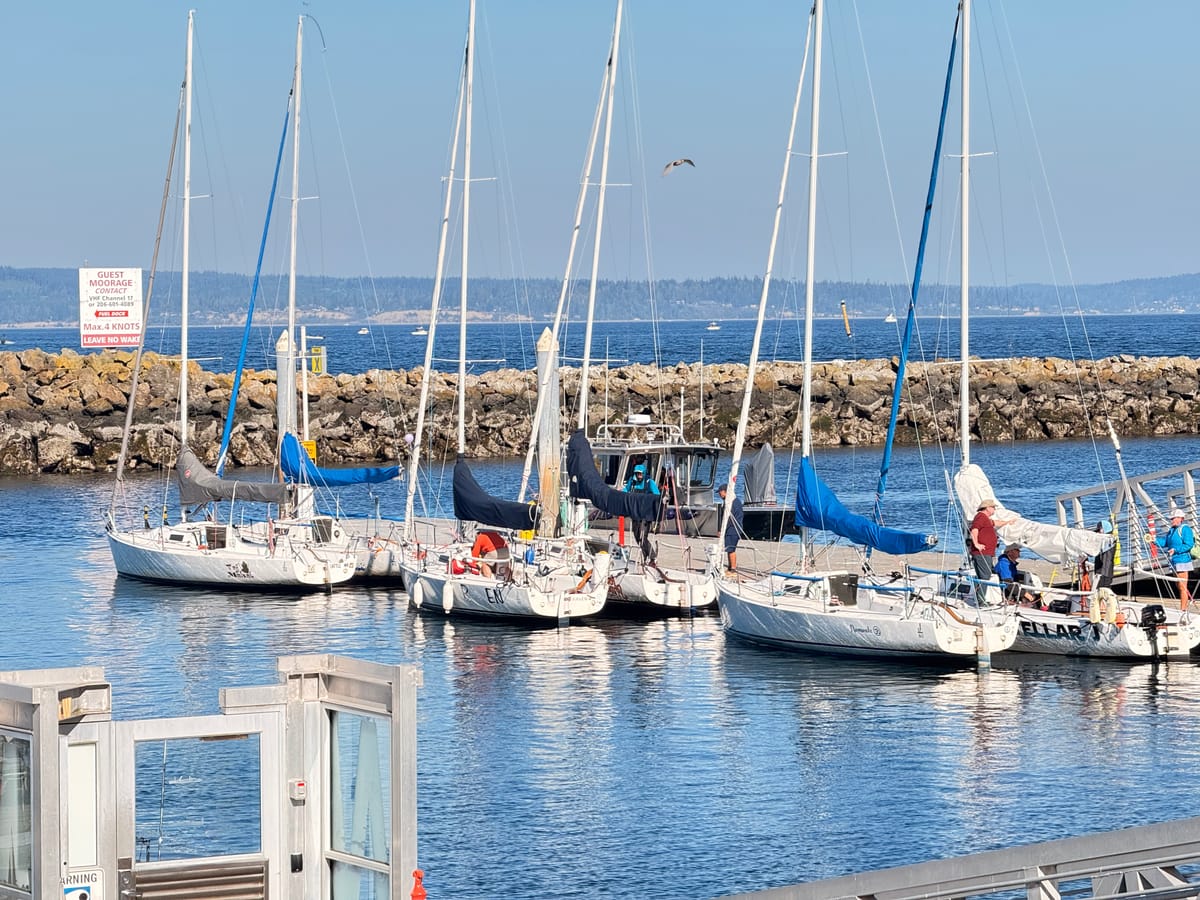
Day 3 - North U Performance racing Week
Wednesday – Focus on Starts With no wind in the morning, we didn’t get out on the water until mid-afternoon. Even then, we had to rock the boat out of the marina before the breeze began to fill. Once outside, though, conditions improved, and we were able to run a
 Dan Weatbrook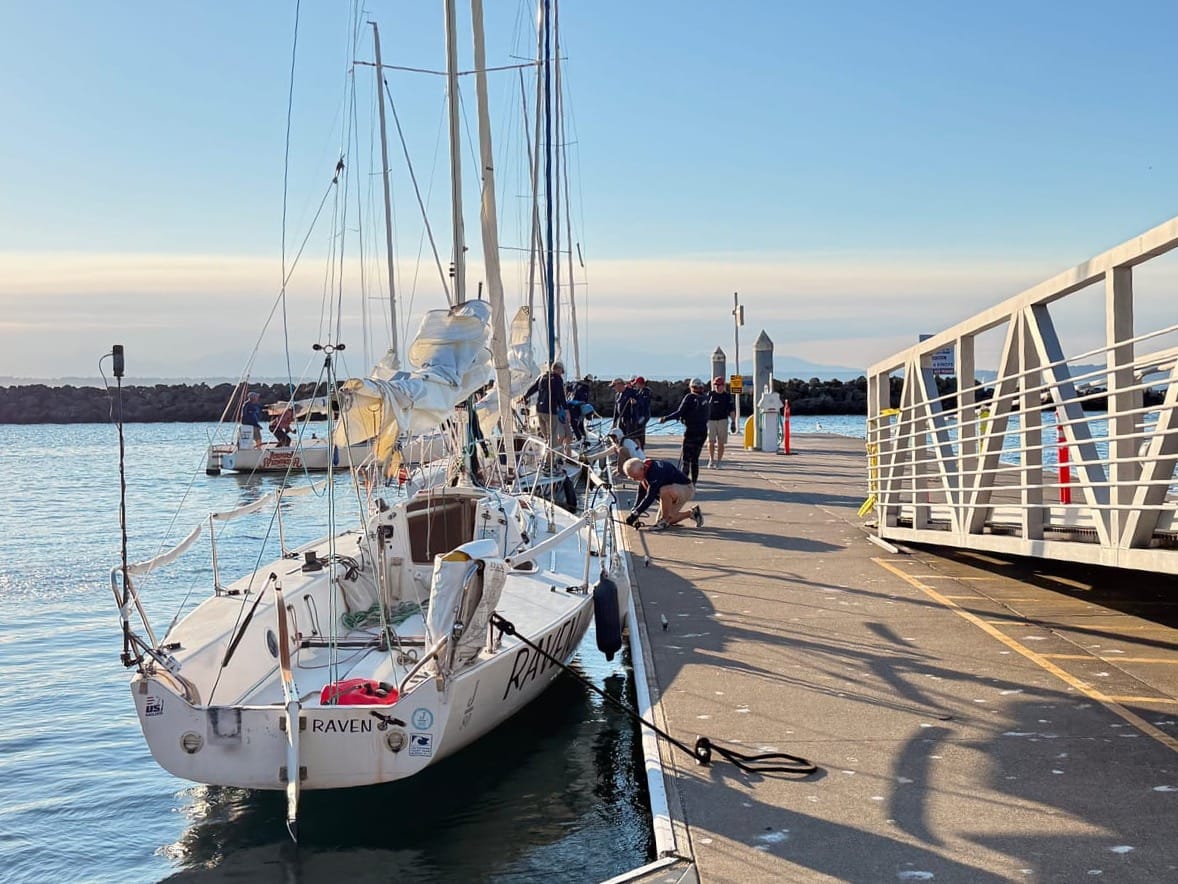
Day 4 - North U Performance Race Week - Tactics and more starts
What another beautiful day in the Northwest. Thursday brought a bit more breeze, and we made the most of it. We started in the classroom, unpacking lessons from the day before and digging deeper into tactics. The focus was on starts, mark roundings, and especially how to defend the right
 Dan Weatbrook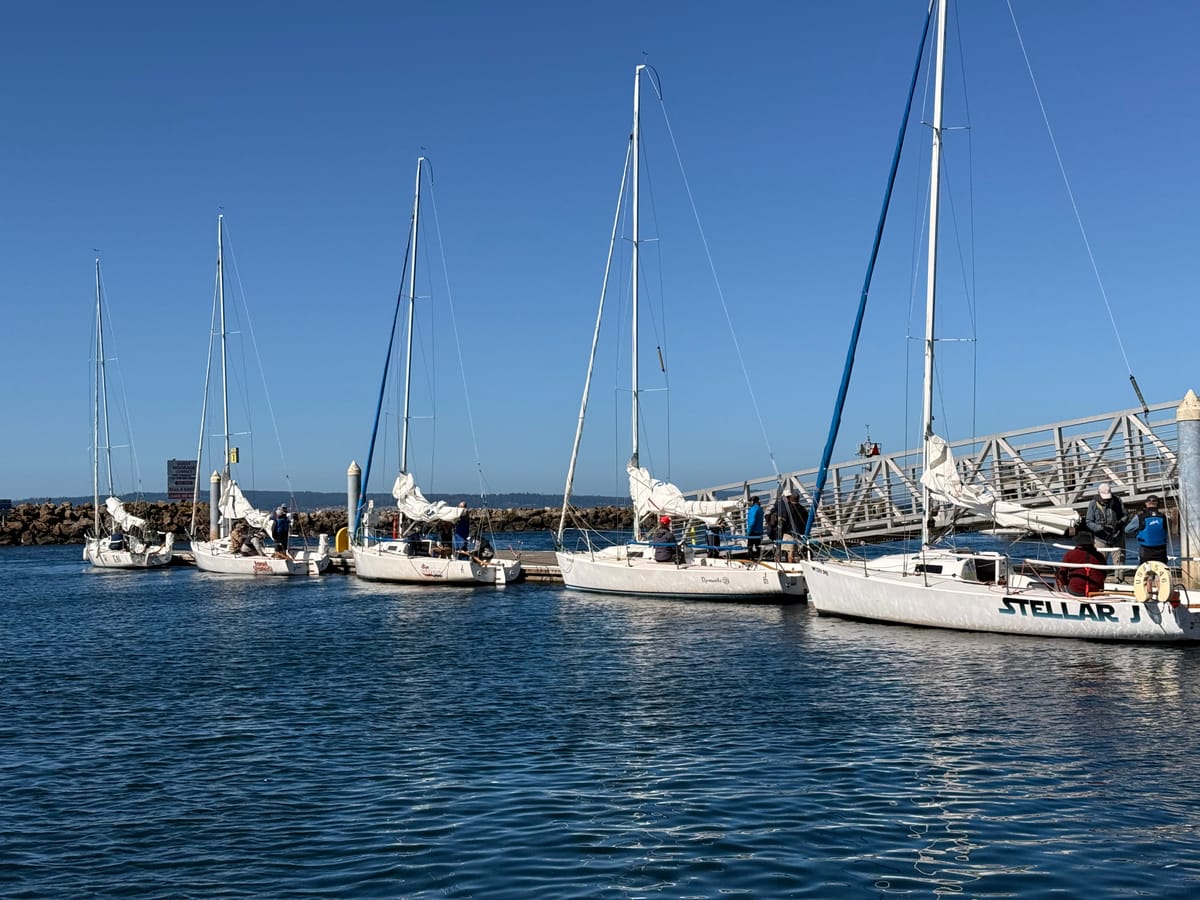
Day 5 - North U performance race week - regatta
* Classroom – The Bubble (Terry) * Introduced the concept of the bubble as a way to visualize downwind energy management. * Key idea: keep the boat “on top of the bubble” to stay energized and fast, rather than slipping into a de-energized state. * Downwind legs are where the biggest speed differences show up
 Dan Weatbrook